


Moving to France: Tax Implications for UK Citizens
20th October 2026 SEND TO A FRIEND
You have found a French property that suits your plans, but how much of your savings can you safely spend on it? A four-bedroom village house in Vienne advertised for €134,070, a €245,000 home near Le Bugue and a €470,000 stone house overlooking the Dordogne River offer very different financial commitments. For UK citizens moving to France, the differences extend beyond the purchase price.
Your French tax-residence date can influence how UK pensions, investment income and overseas property are treated. It can also affect the funds available for your purchase, particularly if you plan to sell a UK home or withdraw pension savings during the move.
Property in France provides actual property listings across French regions, helping buyers connect these financial considerations with the homes they are considering. The property's asking price, available accommodation, location and ongoing maintenance requirements are all part of that decision.
This guide explains the principal tax implications of moving to France from the UK in 2026, using four specific Property in France listings to demonstrate how different property budgets affect relocation planning. The listings are real advertised examples; the buyer scenarios and financial allowances are illustrative, not claims about completed customer purchases.
Start with Your French Property Budget, Not Just the Tax Rules
Before investigating French tax residency, it helps to understand why the question matters to your property search.
Consider four homes previously advertised on Property in France, covering different locations, accommodation and asking prices.
| Property | Advertised Price | Financial Question |
|---|---|---|
| Vienne village house, BVI84032 | €134,070 | How much cash remains after buying and relocating? |
| Le Bugue, LeBugue2811 | €245,000 | Can retirement savings support the purchase without compromising income? |
| Dordogne Valley, BVI86854 | €399,000 | How will pool maintenance, potential rental income and tax affect the budget? |
| Dordogne stone house, KZIG123 | €470,000 | Should more capital remain invested rather than be committed to the home? |
These properties demonstrate why there is no single French relocation budget. The amount a buyer can safely spend depends on both their available capital and their financial position after becoming resident.
The right starting point is to calculate the expected deposit or purchase funds, acquisition expenses, moving costs, taxation and ongoing ownership commitments before deciding which homes to shortlist.
Compare real French properties: Use Property in France's national property search to examine available homes by location and budget while establishing your tax and financial position independently.
When Does Buying a French Home Make You Tax Resident?
Buying a property in France and becoming French tax resident are separate legal matters.
Article 4 B of the French General Tax Code identifies several alternative domestic residence criteria. These include having your home or main place of stay in France, carrying out your main professional activity there or maintaining the centre of your economic interests in France.
The widely mentioned 183-day rule does not provide a complete definition. Depending on your personal circumstances, you may become French tax resident before spending 183 days in the country.
A Vienne property example: buying before moving
Property in France previously advertised a four-bedroom village house in Vienne, reference BVI84032, for €134,070.
The listing describes a village property with flexible accommodation, a garden, garage and additional woodland. It provides a useful example of a home that someone might purchase before retiring or relocating permanently.
Imagine a UK buyer purchasing this house in May 2026 but continuing to live and work in Britain until October. The purchase date would not automatically establish French tax residence.
However, once the buyer establishes their main home and wider personal or economic interests in France, the residency assessment may change.
The practical question is therefore not simply when the property was purchased, but when the relevant French residence criteria became satisfied.
This example is hypothetical. It does not describe an actual buyer of BVI84032 or establish how the property's owner has been taxed.
Explore the Vienne village property, reference BVI84032.
For the residence criteria themselves, consult the French tax administration's official guidance.

How UK and French Tax Years Affect Your Moving Date
The UK and France use different personal tax years, which can complicate a permanent move.
The UK tax year runs from 6 April to 5 April. France uses the calendar year, from 1 January to 31 December.
In the UK, HMRC's Statutory Residence Test determines residence. During a departure year, split-year treatment may apply if the relevant conditions are met.
For someone becoming French tax resident during 2026, the first French income tax return would generally be submitted in 2027.
| Stage | UK Consideration | French Consideration |
|---|---|---|
| Before departure | Review UK residence, pensions and property disposals. | Establish the anticipated French residence start date. |
| During the move | Determine whether split-year treatment applies. | Identify income reportable from the relevant residence period. |
| After relocating | Meet any continuing UK reporting obligations. | Keep records of worldwide income and foreign accounts. |
| 2027 filing season | Submit any required UK returns. | Generally file the relevant 2026 French income tax declaration. |
A French property purchase can be completed before or after the moving date, but the dates do not automatically determine the same tax consequences.
Buyers who intend to finance the purchase through a UK property sale, pension withdrawal or investment disposal should seek advice before committing to either transaction.
For broader relocation preparation, read Property in France's nine facts for UK movers.
How Your UK Pension Affects the French Property You Can Afford
Pensions are especially important for British buyers who intend to retire permanently in France.
Under the UK-France double taxation convention, the UK State Pension and many private or workplace pensions paid to French residents are generally taxable in France.
Certain government service pensions follow different rules and may remain taxable in Britain, depending on the treaty provisions and relevant circumstances.
The UK's familiar tax-free pension lump sum treatment does not automatically apply under French tax rules. The timing and form of a withdrawal can therefore influence the funds available for a house purchase.
Real property example: a €245,000 home near Le Bugue
Property in France previously advertised a four-bedroom home in the Le Bugue area of Dordogne, reference LeBugue2811, for €245,000.
This property provides a practical example for buyers considering a pension-funded purchase rather than a larger home costing nearly twice as much.
Imagine a retiree with €300,000 available for purchasing and establishing a home in France. Their actual tax position and source of funds would need to be assessed separately, but a simple property budget can illustrate the decision.
| Illustrative Budget | Amount |
|---|---|
| Available purchase and relocation capital | €300,000 |
| Advertised Le Bugue asking price | €245,000 |
| Illustrative acquisition-cost allowance at 7.5% | €18,375 |
| Illustrative purchase total | €263,375 |
| Remaining capital before other costs | €36,625 |
This calculation shows how much could remain before moving expenses, furniture, repairs, taxes on financial transactions and other commitments.
The 7.5% allowance is a hypothetical planning figure, not an estimate supplied by the seller or a guaranteed French acquisition-cost rate. A notaire should confirm the actual costs.
The buyer should also establish whether the capital is already available or would come from a pension withdrawal that may create separate tax consequences.
This is the practical relationship between pension planning and property selection: a home that fits the gross available funds may not fit the final after-tax budget.
Explore the Le Bugue property, reference LeBugue2811.
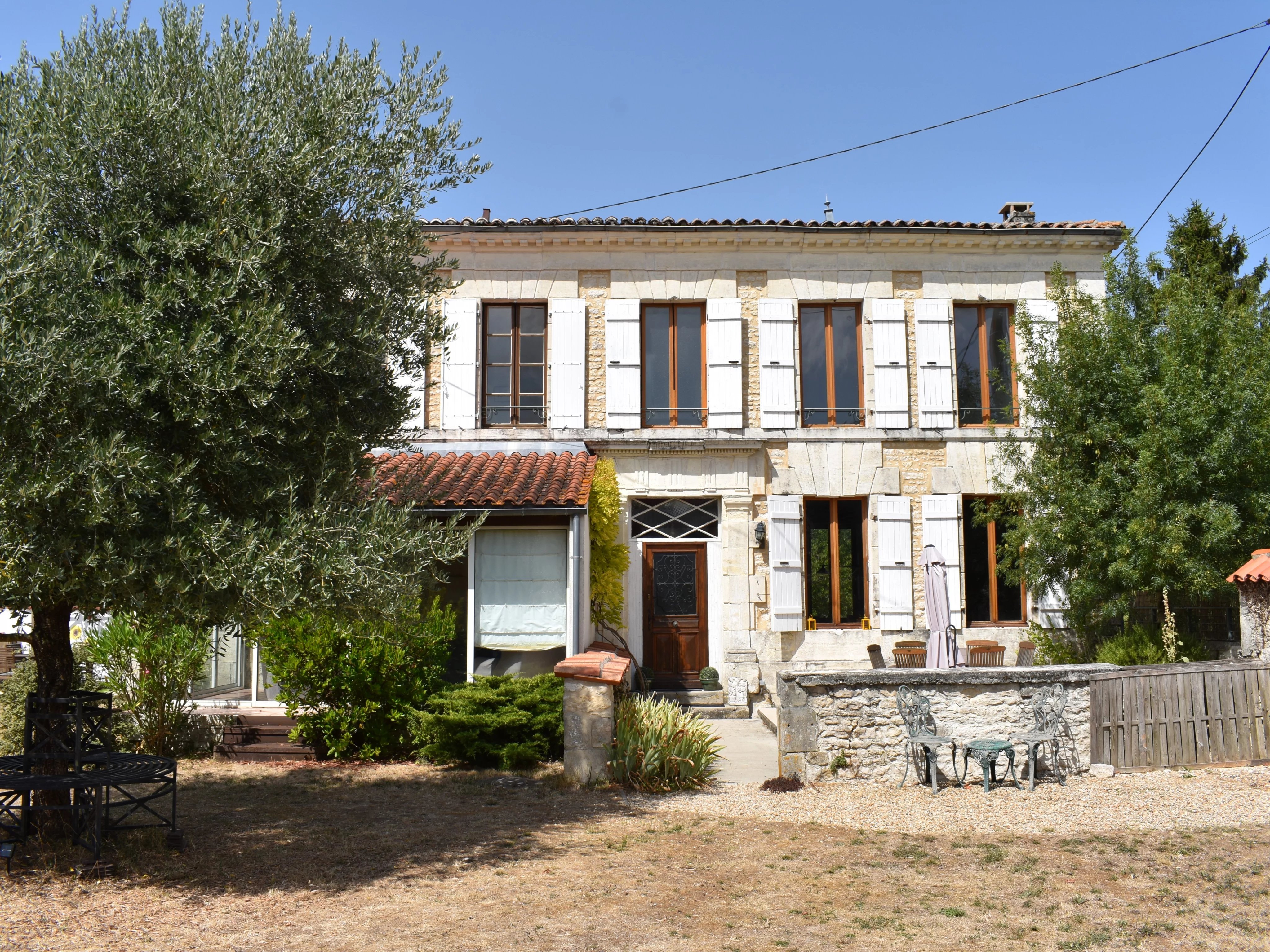
Looking for a home within a fixed retirement budget? Compare properties in Dordogne or browse homes across France. Confirm pension tax treatment with an independent adviser before using retirement funds.
What Happens to UK Bank Accounts and Investments?
French tax residents generally have reporting obligations concerning relevant financial accounts held outside France.
This can include UK current accounts and savings accounts, even where those accounts generate little or no taxable income.
Investment accounts and UK ISAs may also require attention. UK tax advantages do not automatically extend to France, and income or gains may be assessed under French rules after tax residence begins.
A purchaser who retains substantial UK investments after moving should therefore consider the potential tax consequences before deciding how much capital to transfer into a French property.
French investment tax rates in 2026
For investment income to which the standard French flat tax applies, the combined rate in 2026 is 31.4%, comprising 12.8% income tax and 18.6% social charges.
Different rules apply to certain income categories, including some property income, capital gains and financial products.
| Illustrative Calculation | Amount |
|---|---|
| Qualifying investment income | €5,000 |
| Income tax at 12.8% | €640 |
| Social charges at 18.6% | €930 |
| Combined charge at 31.4% | €1,570 |
This is a mathematical illustration of the standard rate, not an individual's tax calculation. Other rates, exemptions and social security provisions may apply.
The standard 2026 rate is explained in French government guidance on investment taxation.
Real Property Example: The €470,000 Dordogne Stone House
Property in France previously advertised an authentic stone house with Dordogne River views, reference KZIG123, for €470,000.
The listing described four bedrooms, two bathrooms, approximately 176 m² of accommodation, a terrace and a garden.
For someone with substantial savings and investment income, this property creates a different decision from buying the €245,000 home near Le Bugue.
Imagine a purchaser with €550,000 available who is weighing up whether to use more of their capital on the house or retain funds in investments.
Using a hypothetical 7.5% acquisition-cost allowance, the €470,000 purchase would require an estimated €505,250 before moving expenses and any additional property-specific costs.
That would leave €44,750 from the hypothetical €550,000 starting budget.
By contrast, the €245,000 Le Bugue property would leave €286,625 using the same calculation assumptions and starting funds.
Neither figure establishes which choice is better. The higher-priced property may offer benefits that justify the additional cost, while the lower-priced home would preserve more capital.
The important issue is that the buyer's investment taxation and long-term spending plans may influence how much they want to commit to their French home.
View the Dordogne stone house, reference KZIG123.

What French Property Taxes Should UK Buyers Budget For?
Alongside income taxation, French property ownership creates ongoing financial commitments.
The principal local property taxes to understand are taxe foncière and, where applicable, taxe d'habitation.
Taxe foncière
Taxe foncière is an annual property ownership tax generally payable by the owner.
Its amount depends on the property's relevant tax valuation and local rates. The advertised asking price is not a reliable basis for calculating the bill.
Whether you are considering BVI84032 in Vienne, LeBugue2811 or the higher-priced Dordogne properties, ask for the most recent taxe foncière notice before committing to a purchase.
Taxe d'habitation
Taxe d'habitation on principal residences was abolished from 2023, but it can still apply to second homes under the relevant rules.
This distinction matters for buyers who initially use a French property as a holiday home before relocating permanently.
French property wealth tax
France's property wealth tax, the Impôt sur la Fortune Immobilière, can apply where the household's net taxable real estate wealth exceeds €1.3 million on 1 January.
Qualifying new French tax residents may receive temporary treatment limiting the overseas property assets considered for this tax.
These considerations are particularly important where a buyer retains substantial property holdings in the UK.
For more information, see Property in France's property tax guide.
Real Property Example: €399,000 Dordogne Valley Home with a Heated Pool
Property in France previously advertised a Dordogne Valley home, reference BVI86854, for €399,000.
The listing described four en-suite bedrooms, a heated swimming pool and panoramic countryside views.
These features may be attractive to buyers seeking a substantial permanent home with space for visiting family.
However, they also introduce specific financial considerations that would not necessarily apply to a smaller village property.
A heated swimming pool can generate running costs through energy consumption, servicing and repairs. Extensive accommodation may also affect heating, cleaning and insurance.
Before making an offer, the buyer should request recent energy bills, the property's taxe foncière notice, insurance information and details of any significant maintenance requirements.
What if the buyer wants to rent out part of the property?
A property with several bedrooms may prompt questions about holiday letting or other accommodation uses.
However, the existence of suitable accommodation does not establish that short-term letting is permitted or financially viable.
The purchaser should investigate any relevant registration, planning, insurance and local requirements, together with the French taxation of potential rental income.
Revenue should not be included in the affordability budget until the proposed activity has been checked.
Explore the Dordogne Valley property, reference BVI86854.

Comparing permanent homes with larger country properties? Browse Dordogne listings to review different property types and price points. Use a qualified adviser for individual tax questions and request property-specific running costs from the advertiser.
How Exchange Rates Affect the Sterling Cost of a French Home
British buyers who hold savings in sterling must also consider currency movements.
A French property's euro asking price may remain unchanged while the sterling cost of buying it rises or falls.
For example, Property in France's Vienne listing BVI84032 previously included an exchange-rate illustration showing how a 2% movement could affect the indicative sterling purchase cost.
The listing's dated illustration showed an approximate £2,237 difference on the €134,070 asking price. This is not a guaranteed saving or a current currency quotation.
The same principle becomes increasingly significant as purchase prices rise.
When calculating available funds, buyers should account for the cost of converting their money, as well as any bank charges and the timing of the transfer.
This is another reason to establish the complete property budget before choosing how much to spend.
Should You Sell Your UK Property Before Moving?
For many British buyers, the proceeds of selling a UK home will provide the main source of funds for the French purchase.
The timing of that sale can affect the tax treatment. A sale completed before French tax residence begins may have different consequences from a sale completed afterwards.
UK property disposals may remain subject to UK tax obligations even after the owner moves abroad. French tax residence can introduce additional reporting requirements, subject to treaty provisions and reliefs.
Consider a buyer selling a UK home to fund the €470,000 Dordogne property. Before accepting an offer in France, they should establish how much will actually be available after any relevant UK costs, tax liabilities and currency conversion.
If the net proceeds are lower than expected, a different Property in France listing, such as the €245,000 Le Bugue property, might be more compatible with the revised budget.
That comparison does not establish the best purchase for a particular person. It demonstrates how the tax and financial outcome of a UK sale can influence which French homes are realistic options.
Further information is available in Property in France's capital gains tax guide.
How to Compare French Properties by Location and Budget
Property in France's value to relocating buyers is the ability to compare actual property choices across regions and departments.
France's national income tax rules do not create a general special rate simply because a buyer settles in Dordogne rather than Brittany or Normandy.
However, location can affect housing prices, local property taxes, energy requirements, maintenance and transport costs.
Dordogne and Nouvelle-Aquitaine
The Le Bugue, Dordogne Valley and Dordogne stone-house examples demonstrate different property budgets within one part of France.
Buyers can explore Dordogne properties or broaden their search across Nouvelle-Aquitaine.
Brittany
Buyers seeking coastal and inland communities can compare properties for sale in Brittany, considering year-round amenities, transport connections and the condition of individual homes.
Normandy
For buyers intending to travel between Britain and France regularly, transport costs may be an important part of the annual budget.
Browse Normandy property listings and compare the distance from homes to the services and travel routes you expect to use.
Occitanie
In southern France, buyers may prioritise outdoor space, swimming pools and warmer weather. The maintenance and energy implications of these features should form part of the budget.
Compare homes for sale in Occitanie to assess property prices and characteristics.
Inheritance Tax and Estate Planning After Moving
Moving to France also makes it important to review wills, succession arrangements and inheritance tax exposure.
French succession rules and inheritance taxes are not identical to those in the UK. The treatment can depend on family circumstances, the location of assets and the relevant international rules.
For a British purchaser buying a home in France while retaining UK assets, professional advice covering both jurisdictions is particularly valuable.
Ownership arrangements may matter for married couples, unmarried partners, blended families and joint purchasers.
Property in France's inheritance tax guide for UK property owners provides further background.
Property in France: Turning Financial Planning into a Property Search
Property in France provides a practical way to connect financial decisions with real property opportunities.
The four examples in this guide show how advertised properties vary by price, accommodation and potential running-cost considerations.
A buyer considering BVI84032 may be prioritising a smaller capital commitment. Someone comparing LeBugue2811 might be seeking a balance between accommodation and retained retirement savings. The Dordogne Valley and KZIG123 listings illustrate larger financial commitments requiring more detailed ownership budgeting.
These are editorial interpretations of the advertised properties, not claims about the motives or outcomes of actual customers.
Once the buyer has established their likely after-tax budget, the site's property search and regional pages can help identify homes worth investigating further.
Property in France also provides registration and property-alert features, enabling buyers to follow listings while finalising their relocation arrangements.
Have you established your French property budget? Browse available homes on Property in France or register to set up property alerts. Direct individual tax questions to a suitably qualified cross-border adviser.
Your UK-to-France Property and Tax Checklist
- Establish your likely French tax-residence start date.
- Review the UK's Statutory Residence Test and any applicable split-year treatment.
- Notify HMRC of your departure using the relevant process.
- Confirm the treaty treatment of UK pensions and any planned lump sums.
- Review the taxation of UK savings, investments and overseas accounts.
- Assess the consequences of selling or retaining UK property.
- Calculate the full French acquisition budget, including notaire costs.
- Keep an appropriate capital reserve for emergencies and maintenance.
- Request actual taxe foncière, energy and insurance information for shortlisted properties.
- Use Property in France's listings to compare homes across different budgets.
- Seek independent tax and legal advice before committing to a purchase.
Frequently Asked Questions
Does buying a French property automatically make me tax resident?
No. Property ownership and French tax residency are separate matters. However, establishing a main home in France may be relevant to determining residence. The assessment depends on the relevant domestic legal criteria and your wider circumstances. A buyer purchasing a house before permanently leaving Britain may therefore have a different tax position from someone who has already relocated.
When do I become French tax resident?
You may become French tax resident if your home or main place of stay is in France, your principal professional activity occurs there or your centre of economic interests is located there. These criteria are alternatives. The 183-day threshold is not the only consideration. Where both France and the UK regard you as resident, treaty provisions may determine your residence for treaty purposes.
How are UK pensions taxed after moving to France?
The UK State Pension and many private or workplace pensions paid to French tax residents are generally taxable in France under the UK-France treaty. Certain government service pensions may remain taxable in the UK. The treatment depends on the pension category and relevant provisions. Buyers relying on pensions for property purchases should obtain advice before taking lump sums or changing payment arrangements.
How much deposit or cash do I need to buy a French house?
The amount depends on the price, whether you are financing the purchase and the transaction-specific costs. Buyers paying in cash must allow for the agreed price, relevant acquisition expenses and any additional commitments. The illustrative 7.5% acquisition-cost allowance used in this guide is not a guaranteed rate. A French notaire should provide a detailed estimate for the property being purchased.
Are French property taxes lower in Dordogne than Brittany?
Not necessarily. French income tax rules generally operate nationally, while local property taxes such as taxe foncière depend on the property and local assessments. It would be misleading to assume that one region automatically offers lower property ownership taxes than another. Buyers should request the actual tax notices for each home rather than relying on regional averages.
Can I receive holiday rental income from my French home?
Potentially, but the ability to let a property depends on applicable local requirements, the property and the proposed activity. Registration, planning, insurance and taxation must be considered. For a property such as the Dordogne Valley home discussed in this guide, the presence of multiple bedrooms does not by itself establish that holiday letting is permitted or financially viable.
Will UK ISAs still be tax-free when I live in France?
UK ISAs retain their treatment under UK tax rules, but those advantages do not automatically apply in France. Interest, dividends and gains may be subject to French taxation after tax residency begins. The treatment depends on the specific investments and applicable rules, so a cross-border tax adviser should review the accounts before relocation.
Can I buy a property before selling my UK home?
Yes, but the financial and tax consequences should be evaluated. The buyer needs to establish how the French purchase will be funded and whether ongoing costs in both countries are affordable. Selling the UK property before or after French tax residence begins may lead to different tax outcomes. Obtain a personalised calculation before making contractual commitments.
How can Property in France help with my relocation?
Property in France provides searchable French property listings across regions and departments, allowing buyers to compare asking prices, accommodation, locations and advertised features. Individual listings provide routes to enquire about homes, while registration and property alerts can help buyers follow availability. Property in France is a property-search resource, not a substitute for independent tax advice.
Find a French Home That Fits Your Financial Plans
Moving from the UK to France can change the taxation of pensions, investments, overseas property and other income. Those changes can influence the amount of capital available for a new home and the long-term cost of living in France.
The four Property in France examples demonstrate why buyers should compare more than asking prices. The Vienne village house, Le Bugue property, Dordogne Valley home and higher-priced Dordogne stone house represent different financial commitments and ownership considerations.
Start by establishing your likely after-tax budget with qualified advisers. Then compare French homes that fit your circumstances, preferred location and lifestyle.
Ready to begin your French property search? Explore properties for sale across France, browse Dordogne homes or register for property alerts.
For property-search enquiries, you can also contact the Property in France and FrenchEntrée property team on +44 (0)1225 463752, subject to confirming the current contact details on the website.
Before committing to a purchase, obtain independent advice on your UK and French tax obligations, together with a property-specific estimate of acquisition and ownership costs.
This article provides general information rather than personalised tax, financial or legal advice. Property prices and availability may change. All buyer scenarios and financial planning allowances are illustrative and do not represent completed transactions or tax outcomes for Property in France customers.
Similar news articles
French Property for Sale: Notaire fees, Taxes & the Real Budget You Need
Many international buyers begin searching for French property based on asking prices alone. A charmi...
9th June 2026
How to Buy a House in Dordogne: The Definitive Guide
The Dordogne region in south west France remains one of the most sought after rural property destina...
4th May 2026
Things to Know Before Moving to France: 9 Facts for UK Movers
Two weeks in France every summer is one thing. Living there all year is another, and since Brexit th...
14th October 2026
