


Biggest Mistakes When Moving to France (And How to Avoid Them)
22nd October 2026 SEND TO A FRIEND
You have found a beautiful French village house, the asking price fits your budget and the photographs show exactly the lifestyle you want. But what happens when the village becomes quiet in January, the roof needs repairs or the nearest everyday services are farther away than you expected?
The biggest mistakes when moving to France are not always about breaking immigration or tax rules. Many are property decisions made too quickly, from choosing a location after a summer holiday to committing to renovations before obtaining reliable quotations.
For UK buyers, these decisions matter because the property itself will shape daily life long after the initial excitement of moving. A €134,070 village house in Vienne, a €245,000 property in Dordogne and a €399,000 countryside home with a heated swimming pool may all look appealing, but each requires a different financial and practical plan.
This guide explores nine common relocation mistakes and explains what to do instead, using specific homes advertised through Property in France to demonstrate the decisions involved. For the separate visa, healthcare and tax requirements, read our guide to nine important facts before moving to France.
1. Choosing an Area After Only Visiting in Summer
A French village can feel completely different outside the holiday season. Restaurants and markets that are busy during August may operate reduced hours during winter, while roads, weather and access to essential services can become more important.
FrenchEntrée's advice about renting before buying highlights the value of experiencing an area beyond the summer months. Readers who have shared their experiences also describe the surprises that come with colder weather and quieter communities.
This distinction is particularly relevant for buyers seeking traditional countryside homes. A property surrounded by gardens and woodland may offer peace and privacy, but everyday convenience still needs investigating.
Property in France example: A village house in Vienne
Property in France previously advertised a four-bedroom village house in Vienne, Nouvelle-Aquitaine, reference BVI84032, at €134,070.
The published description mentions flexible accommodation, a garden, garage and an additional parcel of woodland. These features could appeal to someone moving from a UK town to a quieter part of France.
Before buying this type of home, the practical questions are specific. How far away are the nearest supermarkets and medical services? What transport is available during winter? How much maintenance would the outdoor space require?
These are questions to investigate, not claims that the advertised Vienne property has access problems or maintenance defects.
What to do instead: Visit your preferred area at different times of year, particularly during winter. If possible, rent locally before committing to a purchase and practise the everyday journeys you would make as a resident.
Explore the Vienne village property, reference BVI84032, or compare other homes through Property in France's Nouvelle-Aquitaine listings.

2. Selling Your UK Home Before You Are Certain About France
Selling your UK home can provide the funds needed to purchase in France, but it can also reduce your flexibility if your relocation plans change.
In readers' experiences shared through FrenchEntrée, some movers have advised keeping a UK property until they are more confident about permanent life in France.
That approach will not suit everyone. Retaining a home in Britain can create mortgage, insurance, maintenance and tax obligations, particularly if the property is rented out.
The important decision is whether selling immediately is necessary to finance the move or whether a staged transition is financially realistic.
How much capital would different French homes require?
Consider three properties previously advertised through Property in France. The figures below use their advertised asking prices and an illustrative acquisition-cost allowance of 7.5%.
| Property | Advertised Price | Illustrative 7.5% Allowance | Illustrative Total |
|---|---|---|---|
| Vienne, BVI84032 | €134,070 | €10,055.25 | €144,125.25 |
| Le Bugue, LeBugue2811 | €245,000 | €18,375 | €263,375 |
| Dordogne Valley, BVI86854 | €399,000 | €29,925 | €428,925 |
These are illustrative calculations, not quotations from a French notaire. The appropriate acquisition costs depend on the specific transaction.
A buyer who needs to retain significant funds in Britain may therefore wish to compare lower-priced properties before using the entire proceeds of a UK sale.
What to do instead: Speak to qualified UK and French tax advisers before deciding whether to sell or retain your British property. Calculate your French purchase budget using the amount you expect to have available after all relevant costs and taxes.
If you have not yet decided on a region, browse French homes across different budgets before making an irreversible financial decision.
3. Assuming It Will Be Easy to Rent Before You Buy
Renting before buying can be an effective way to avoid choosing the wrong location. However, securing a suitable long-term rental is not always straightforward for newly arrived UK citizens.
FrenchEntrée's guidance explains that tenants may be asked for a detailed application dossier, proof of income, identity documents and evidence of financial stability.
For an ordinary unfurnished tenancy, the standard term is typically three years when the landlord is an individual. Furnished tenancies commonly use a one-year term, although legal exceptions and alternative tenancy types exist.
Some landlords or rental agencies also apply affordability checks. A recently arrived foreign applicant with no French employment history may therefore face additional practical difficulties.
This can create a frustrating situation: you want to rent to test an area, but you are being asked for documents that may be harder to obtain before establishing yourself in France.
Use your rental period to refine your property shortlist
Rather than treating renting as a delay, use it to investigate local neighbourhoods, transport links, schools where relevant, healthcare access and property values.
For instance, someone considering the Dordogne could compare the Le Bugue property with homes in other towns while temporarily staying in the area.
Property in France's Dordogne property search can help buyers monitor different locations and asking prices before committing.
What to do instead: Research the rental market before relocating. Consider suitable furnished accommodation or off-season lets where available, check the contractual terms and prepare the necessary documentation in advance.
You can also register for Property in France alerts so that new property opportunities remain visible while you investigate the area.
4. Treating French Diagnostic Reports as a Full Building Survey
One of the most expensive mistakes when buying a house in France is assuming that the seller's diagnostic reports reveal every problem with the building.
French property sales generally require a range of applicable diagnostic reports, including information about energy performance and certain building hazards or installations.
However, these reports do not necessarily provide the same assessment as a comprehensive structural survey.
They may not establish the remaining lifespan of a roof, explain the full implications of dampness, provide reliable renovation quotations or determine whether proposed alterations will receive planning permission.
What would you inspect in a Dordogne stone house?
Property in France previously advertised an authentic stone property with views of the Dordogne River, reference KZIG123, at €470,000.
The listing described a four-bedroom home with approximately 176 m² of accommodation, a terrace and garden.
A buyer considering a traditional property of this type should investigate the condition of the roof, stonework, drainage, heating and any historic alterations.
The specific inspection requirements depend on the building. These are sensible checks for an older property, not evidence of defects at KZIG123.
View the Dordogne stone house, reference KZIG123.
What to do instead: Arrange an independent building inspection or suitably qualified specialist assessment before accepting an unconditional obligation to purchase. Ask your lawyer about the appropriate contractual protections and the timing of inspections.
For an explanation of the French buying process, read our complete guide to buying property in France.
5. Underbudgeting Renovations and Ownership Costs
A low asking price can make a French renovation project seem like excellent value. But the purchase price is only one element of the financial commitment.
Older properties can require electrical upgrades, roof repairs, insulation, heating improvements, drainage work and general refurbishment.
FrenchEntrée's renovation guidance warns that buyers should obtain professional advice and realistic quotations before committing to extensive work.
One Dordogne property owner described receiving an estimate of €1,200 per square metre for substantial renovations. That is an individual experience, not a universal construction cost or a reliable estimate for every French house.
A worked renovation budget
Imagine that a buyer finds a suitable property but wants to renovate 80 m² of accommodation. For budgeting purposes, suppose they receive a quotation equivalent to €1,200 per square metre.
| Illustrative Calculation | Amount |
|---|---|
| Floor area for proposed renovation | 80 m² |
| Assumed renovation cost per m² | €1,200 |
| Illustrative work budget | €96,000 |
| Illustrative 15% contingency | €14,400 |
| Total illustrative renovation budget | €110,400 |
This example does not represent an actual renovation quotation for any Property in France listing. Its purpose is to illustrate why even a modest floor area can generate a substantial additional budget.
The buyer should also consider temporary accommodation if the property cannot be occupied during the works.
What to do instead: Obtain itemised quotations before committing to the purchase, verify planning requirements and maintain a contingency for unexpected expenses. Review the likely finished value rather than assuming every euro spent on renovation will increase resale value by the same amount.
Our guide to the real budget needed when buying in France explains why acquisition costs should also be included.
6. Hiring Tradespeople Without Checking Their Credentials
Once a renovation project begins, selecting the wrong contractor can create additional costs, delays and disputes.
FrenchEntrée's guidance recommends checking that tradespeople are properly registered, confirming their qualifications and requesting written quotations before work begins.
The French SIRET number identifies a registered business establishment. For relevant building work, buyers should also investigate the contractor's professional insurance, including applicable ten-year assurance décennale cover.
Insurance requirements and protections depend on the type of work and the relevant legal rules, so requesting a certificate is only the starting point.
What should a written quotation include?
A detailed quotation, known as a devis, should clearly describe the agreed work, materials, pricing, timing and applicable payment terms.
For significant renovations, a buyer should also clarify who is responsible for obtaining planning permissions, arranging inspections and resolving any unexpected issues discovered once work begins.
What to do instead: Verify registration and insurance directly, obtain written quotations, keep invoices and avoid relying solely on informal recommendations. Where the project is substantial, consider independent professional oversight.
7. Assuming the Notaire Is Your Personal Legal Adviser
The French notaire plays an essential role in property transactions, but UK buyers should understand how that role differs from having an independent solicitor representing their individual interests.
A notaire is a public officer responsible for important legal formalities in the sale, including preparing or authenticating the relevant deed and dealing with registration and associated matters.
The notaire must act impartially in the transaction, rather than as an advocate exclusively for one buyer.
That does not mean a buyer receives no legal explanations from the notaire. However, a buyer with complicated circumstances may benefit from separate advice on issues outside the transaction's ordinary conveyancing process.
Real buying example: a Dordogne Valley property
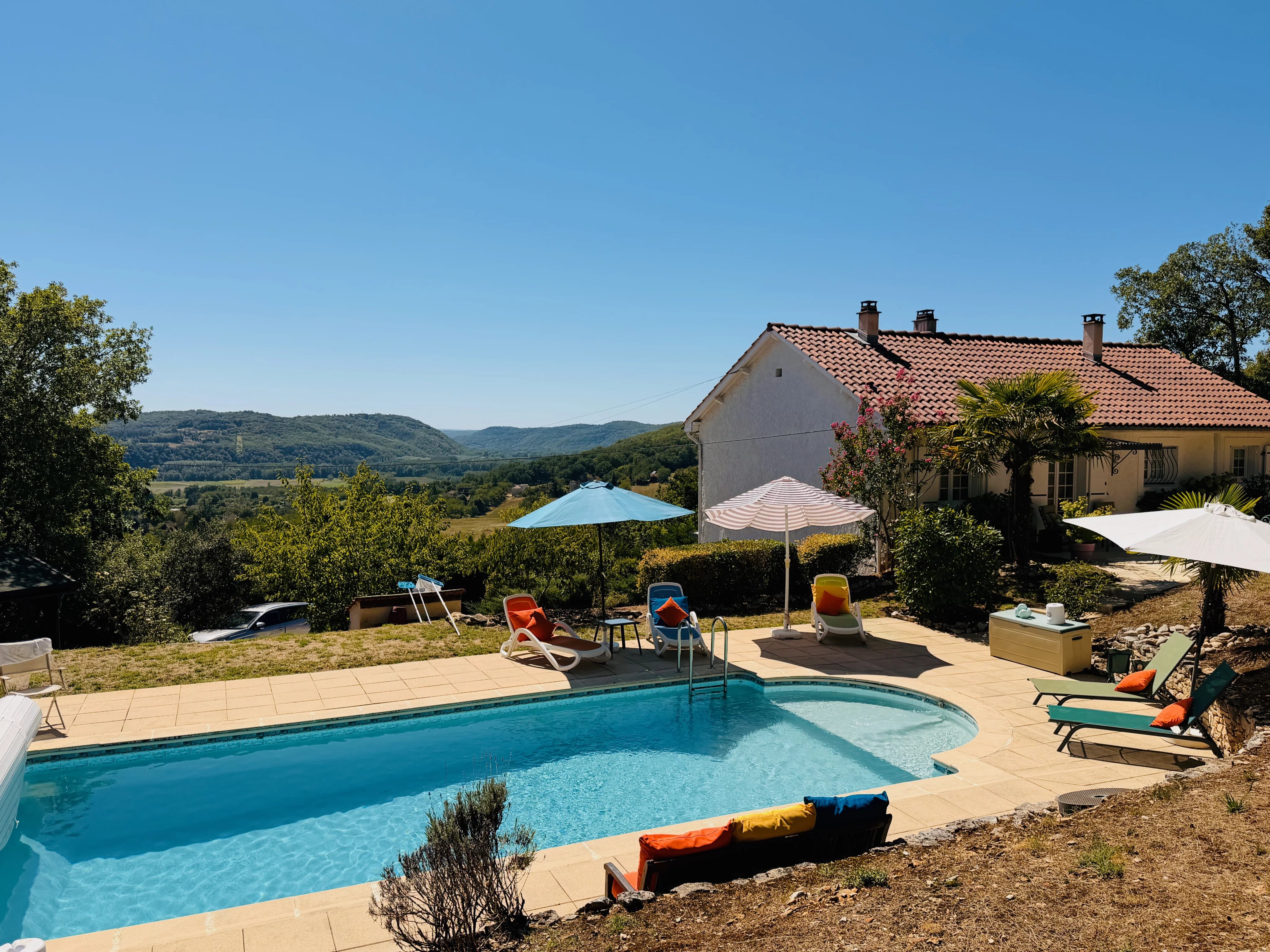
Property in France previously advertised a Dordogne Valley home, reference BVI86854, at €399,000.
The listing described four en-suite bedrooms, a heated swimming pool and countryside views.
A buyer considering a property with these features should distinguish between the legal purchase process, the technical condition of the house and any future plans to let accommodation.
The notaire handles the relevant transaction formalities, but separate specialists may be needed to assess property condition, potential letting requirements, cross-border tax matters or complex inheritance arrangements.
These are recommended checks, not claims that this particular property has legal or technical problems.
Explore the Dordogne Valley property, reference BVI86854.
What to do instead: Understand the notaire's role and obtain independent legal advice where your circumstances require it, particularly regarding complex ownership arrangements, overseas assets or inheritance planning.
For further background, read Property in France's guide to inheritance tax in France.
8. Treating Social Media Advice as Official Guidance
Online communities can help people moving to France discover towns, services, tradespeople and everyday practical advice.
However, answers concerning visas, tax, healthcare, property rights and employment should not be treated as authoritative simply because another British resident has shared their experience.
A rule that applied several years ago may have changed, while the correct answer for one household may not apply to another.
For example, the type of visa required depends on the purpose of the move. The tax treatment of pensions depends on the relevant pension category and treaty provisions.
Likewise, a friend's experience of buying a home does not establish whether another property's planning permissions or legal title are satisfactory.
What to do instead: Use online groups for personal experiences and local recommendations, then check legal or administrative claims against official guidance from GOV.UK's Living in France guide, Service Public or an appropriately qualified professional.
9. Shipping Everything From the UK Without Checking the Costs
Moving possessions from Britain to France can be expensive, particularly when transporting large furniture or arranging storage.
FrenchEntrée's advice on life in the French countryside includes personal experiences of buying furniture locally rather than transporting everything from the UK.
This can be particularly relevant for buyers moving into traditional houses where room proportions, doorways and staircases may differ from those in their former UK home.
However, buying everything again is not automatically cheaper. The answer depends on the volume of belongings, removal quotations, the furniture's value and what is included in the French property sale.
Compare the two options before booking removals
| Option | Costs to Check | Practical Considerations |
|---|---|---|
| Move UK furniture | Transport, packing, insurance, storage and applicable customs formalities | Check furniture dimensions and access to the French home |
| Buy furniture in France | New or second-hand purchases, delivery and disposal of UK furniture | Consider local brocantes, second-hand sellers and delivery availability |
| Move essentials and buy the rest | Smaller removals shipment plus selected purchases | Often provides more flexibility while setting up the new home |
What to do instead: Request removal quotations before deciding what to ship. Check whether the French property is sold furnished and confirm the included inventory in writing.
If possible, measure rooms and access routes during the viewing rather than discovering problems when your belongings arrive.
The Administrative Mistakes to Avoid as Well
Although this guide focuses on practical decisions, UK movers should not overlook the administrative requirements that come with relocating after Brexit.
A long-stay visitor visa does not ordinarily authorise professional activity in France, including remote work. Buyers intending to continue employment or self-employment should confirm the appropriate visa category before making plans.
Driving licence requirements can also differ according to when a UK licence was issued and the holder's circumstances.
Healthcare arrangements, tax residency and the documents required for French administration all deserve preparation before departure.
Our separate Things to Know Before Moving to France guide covers these requirements in greater detail.
How Property in France Helps You Avoid the Wrong Property Decision
The property mistakes discussed in this article share one characteristic: they become harder to correct once a purchase is complete.
A buyer who chooses the wrong village may have to move again. Someone who underestimates renovation costs may need additional financing. A purchaser who fails to investigate legal or technical matters could face problems that were avoidable with proper checks.
Property in France's searchable listings provide a way to compare alternatives before committing.
The four examples discussed here illustrate different purchase decisions. The Vienne village house offers a lower advertised entry price, the Le Bugue home provides another Dordogne option, the €399,000 Dordogne Valley property introduces pool and grounds-maintenance considerations, and the €470,000 stone house requires a substantially larger capital commitment.
These are real advertised property examples, but they are not reports about completed customer purchases or claims that Property in France has provided individual legal, tax or renovation advice to those buyers.
Search by region before choosing a village
If you are still comparing locations, begin with the site's regional searches rather than immediately focusing on one property.
You can browse properties in Dordogne, explore homes in Brittany, compare Normandy properties or investigate homes across Occitanie.
Our region-by-region guide to the best places to live in France can help narrow the options.
Save your search while you investigate
If you are not ready to buy immediately, Property in France offers account registration, saved searches and property alerts.
These features allow buyers to follow suitable properties while researching locations, arranging visits and resolving financial or administrative questions.
Ready to create a French property shortlist? Register for free property alerts or browse properties throughout France.
Checklist: What to Do Before Committing to a French Property
- Visit your preferred location outside the summer holiday season.
- Investigate local healthcare, shops, transport and year-round amenities.
- Consider renting in the area before buying.
- Review whether selling your UK home immediately is financially appropriate.
- Calculate the complete property budget, including acquisition expenses.
- Request and review all relevant diagnostic reports.
- Commission appropriate independent inspections for older or complex buildings.
- Obtain realistic renovation quotations and retain a contingency.
- Verify tradespeople's registration, qualifications and applicable insurance.
- Understand the notaire's role and obtain separate legal advice where needed.
- Confirm visa, healthcare and tax arrangements using authoritative sources.
- Compare removal quotations with the cost of buying furniture locally.
- Use Property in France's regional search and property-alert tools before choosing a home.
Frequently Asked Questions
What is the biggest mistake people make when moving to France?
There is no official ranking, but one frequently highlighted mistake in relocation advice is choosing a permanent location based only on holiday visits. A village can be very different outside the summer season, particularly in terms of local services, weather and community activity. Spending time in the area during winter or renting temporarily can help establish whether it suits everyday life before buying.
Should I rent before buying a property in France?
Renting before buying can be useful if you have only experienced a location during holidays. It allows you to investigate everyday services, transport, weather and the local property market. However, securing a long-term rental may require a substantial documentation dossier and proof of income. Furnished rentals, private landlords and suitable off-season accommodation may provide alternatives, depending on availability and contractual conditions.
Do I need a building survey when buying in France?
A conventional comprehensive building survey is not universally mandatory for a French residential purchase. The seller generally provides the diagnostic reports legally required for the property, but these do not necessarily establish the condition of every structural component. Buyers considering older houses, renovation projects or properties with significant outbuildings should investigate independent technical assessments before accepting contractual commitments.
How much extra should I budget for a French renovation?
Renovation costs depend on the building, work required, materials, location and contractors. The worked example in this article uses a hypothetical €1,200 per square metre and 15% contingency, but neither figure is a quotation or guaranteed market rate. Obtain detailed written estimates for the specific property and allow for additional discoveries once work begins.
Can I rely on a French estate agent to check the building?
An estate agent can provide relevant property information and help arrange viewings, but this does not replace an independent technical inspection or legal review. Buyers should request seller documentation and arrange specialist advice where appropriate. The extent of the investigations should reflect the property's age, condition and any planned renovations.
Do French builders need professional insurance?
Registered construction professionals may be subject to specific insurance requirements, including ten-year liability cover for qualifying works. The requirements depend on the contractor's activities and the work involved. Before signing a contract, verify the business registration, relevant insurance, scope of cover and written quotation, and retain copies of the documentation.
What is the notaire's role in a French property purchase?
A French notaire is a public officer who handles important legal formalities in a property sale, including the authentic deed and associated registration matters. The notaire must act impartially and does not serve as an advocate solely for one party. Buyers with complex inheritance, ownership or cross-border tax questions may benefit from separate specialist advice.
Should I sell my UK home before moving to France?
The decision depends on your finances, relocation plans and tax position. Selling may release capital for a French property, while retaining the UK home may preserve flexibility but create ongoing costs and possible tax obligations. Before deciding, establish your expected net sale proceeds, how you will finance the French purchase and what would happen if your relocation plans changed.
Can I move to France without speaking fluent French?
Yes, but learning French can make everyday life considerably easier. Administrative documents, healthcare appointments, services and discussions with tradespeople may be difficult without sufficient language skills. Taking lessons before moving and arranging professional translation for important legal or administrative matters can help reduce misunderstandings.
How can Property in France help me avoid choosing the wrong house?
Property in France provides searchable French property listings across regions and departments, enabling buyers to compare locations, prices and advertised property features. Saved searches and property alerts can help buyers follow options while they research a location or prepare a visit. Independent legal and technical professionals should carry out the relevant investigations before a purchase is completed.
Take Your Time, Then Choose the Right French Home
Moving to France can be rewarding, but the decisions made before purchasing often shape how successful the experience becomes. Choosing an area too quickly, underestimating renovation costs or failing to investigate a property's condition can create problems long after the move.
The properties discussed in this guide show why buyers should compare more than attractive photographs and asking prices. A village house in Vienne, a home near Le Bugue, a Dordogne Valley property with a heated pool and a larger stone house all bring different financial and lifestyle considerations.
The best approach is to understand your needs, research the area, review the building and obtain qualified advice before making a significant commitment.
Ready to begin your French property search? Explore properties for sale across France, compare homes in Dordogne, Brittany properties and Normandy listings, or create a free property alert for the areas you are considering.
For property-search enquiries, Property in France can be contacted on +44 (0)1225 463752.
This guide provides general information rather than individual legal, financial, immigration or tax advice. Advertised properties, prices and availability may change. Buyer scenarios and financial calculations are illustrative. Confirm property details and obtain qualified independent advice before making a purchase.
Similar news articles
The Best Places to Live in the South of France: A Practical Guide for UK Buyers
Most guides to the best places to live in the south of France begin with Nice. It is an appealing ch...
22nd September 2026
Normandy vs Brittany Property: Which Region Is Right for You?
Choosing between Normandy and Brittany is one of the most common dilemmas facing UK buyers looking a...
12th August 2026
How to Buy a Property in France: A Complete Guide for UK Buyers
France has consistently been the most popular overseas property market for British buyers. The combi...
19th August 2026
