


Abandoned and Derelict Châteaux for Sale in France: An Honest Buying Guide
28th October 2026 SEND TO A FRIEND
The dream is easy to picture: a forgotten château, shutters hanging loose, waiting for someone to bring it back to life. Television has made it look possible, and for some buyers it is.
But the reality on the market is different from the picture, and the costs don't end at the purchase price. This guide sets out what's actually for sale, what a restoration really costs and what to check before you fall in love with a ruin.
What's actually for sale
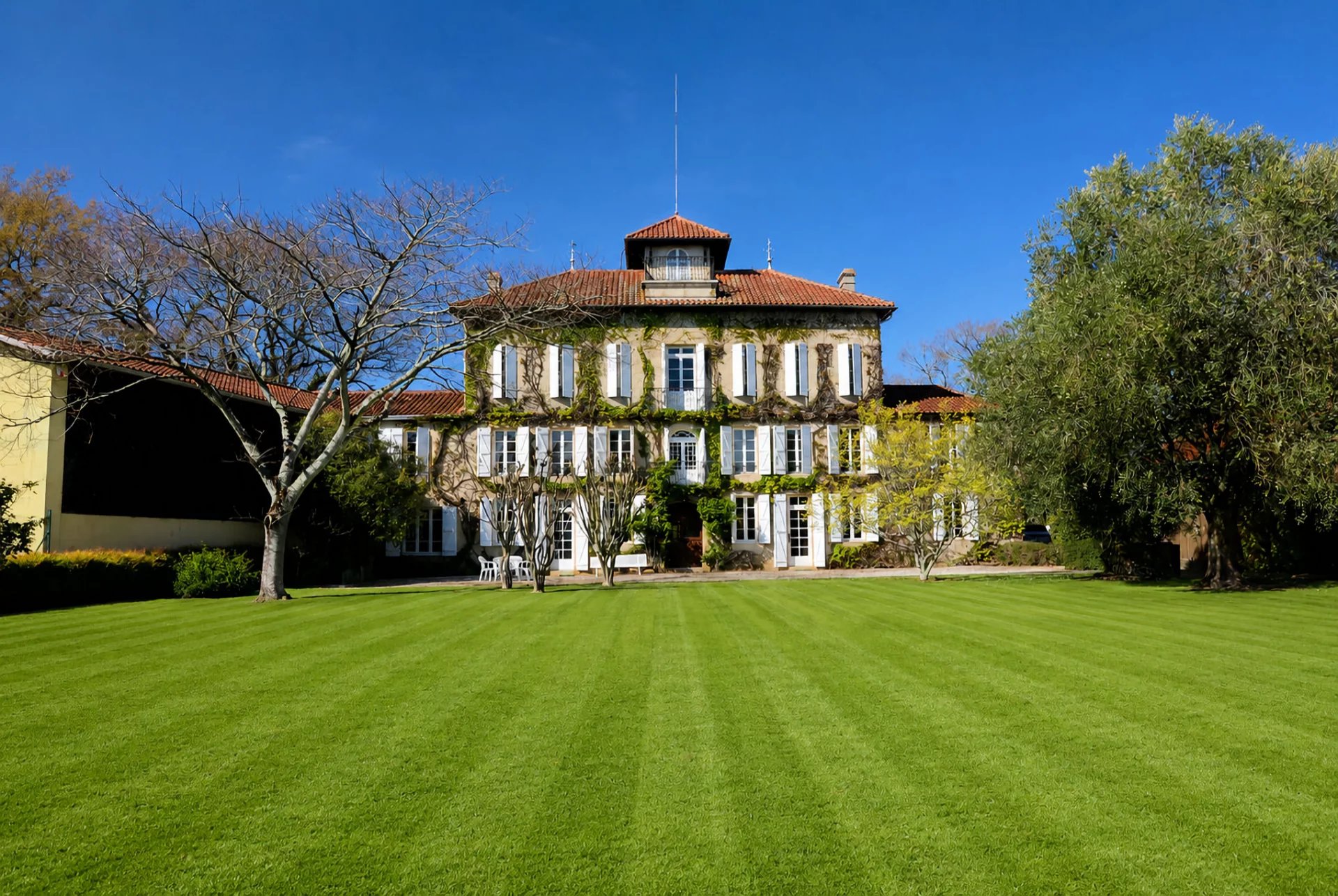
We checked every château listed on propertyinfrance.com in November 2026. There were 65 in total. The lowest asking price was €575,000, the median was about €1.49 million and the highest was €4.75 million. Only one listing mentioned a ruin, and that referred to outbuildings on a €740,000 property in Maine-et-Loire.
In other words, the châteaux on our portal right now are mostly habitable homes, not abandoned shells. That matches what FrenchEntrée reports in its Dordogne versus Gironde property guide, where châteaux range from about €500,000 for an unrestored property to €4 million.
Listings change every week, so the best way to catch one is to set up a château property alert so new listings reach you as soon as they're added.

Can you buy an abandoned château in France?
Yes, if one is for sale and the owner will sell. A French notaire's guide for foreign buyers confirms that French law doesn't restrict foreign ownership, so UK buyers can buy a château on the same footing as anyone else.
Two things are worth knowing upfront. First, owning property in France doesn't give you the right to live there: GOV.UK says UK nationals can spend 90 days in any 180-day period in the Schengen area without a visa. Second, the purchase still runs through a notaire, so the usual French buying process and costs apply.
What renovating a château really costs
This is where most château dreams are won or lost. FrenchEntrée's property services team says you should budget between €700 and €1,500 per square metre to renovate a ruin, with the higher figure for a total rebuild. If a château only needs internal modernisation, such as kitchens, bathrooms and heating, the team says you can reduce that figure by almost 50%.
To put that in context, here is a simple illustration using those figures. It is arithmetic, not a quote:
| Habitable space | At €700/m² | At €1,500/m² |
|---|---|---|
| 300 m² | €210,000 | €450,000 |
| 500 m² | €350,000 | €750,000 |
| 800 m² | €560,000 | €1,200,000 |
Those numbers sit on top of the purchase price and buying costs, which our guide to the real budget you need when buying in France puts at around 7 to 8% for older properties.
FrenchEntrée's property team is blunt about the risk. Answering a reader inspired by château renovation on television, it warned that ruins are often money pits because structural repairs can cost a fortune, especially if the building is listed, and that owners also need to budget for ongoing maintenance after the work is done. Its experts note elsewhere that some quote €800 to €2,000 or more per square metre, and advise assuming any project will cost more and take longer than you'd like.
A French estate agent writing for FrenchEntrée adds two warnings that apply even more to a château: materials are generally more expensive in France than in the UK, and the finished value of a property is quite likely to be less than the total you spend on it.
Listed châteaux: classé, inscrit and the 500 m rule
Some châteaux are protected as monuments historiques, and that changes what you can do. FrenchEntrée's guide to protected zones explains the two levels:
• Classé is the higher level. No restoration, repair or alteration can be carried out without authorisation from the regional prefect, acting through the DRAC (the regional cultural affairs office), and significant works are supervised by a specialist state-appointed architect.
• Inscrit is the lower level. Works must be notified to the regional prefect in advance, ordinary planning permission is still needed, and the opinion of the Architecte des Bâtiments de France (ABF) is binding on the mayor.
Protection can reach beyond the building itself. FrenchEntrée explains that French law creates a protected area of 500 metres around a listed building by default, and works there need approval from the mairie and the ABF, who may impose rules on design and materials. In those areas, FrenchEntrée says a déclaration préalable takes two months to be approved and a permis de construire three to four months.
To check a property before you buy, FrenchEntrée suggests asking the mairie or planning office whether it is a monument historique or sits within a protected perimeter, and using the Ministry of Culture's heritage atlas.
Grants and tax relief
Protection brings obligations, but also support. FrenchEntrée's protected zones guide says owners of monuments historiques, whether classé or inscrit, may be eligible for DRAC grants towards approved restoration work, and for a specific income tax regime that lets restoration and maintenance costs be set against income. How that works depends on whether the property is open to the public and whether it produces income.
Don't build your budget around a grant, though. FrenchEntrée's property team cautions that you may not qualify for funding, and even if you do, it may not be enough for major restoration. Take specialist tax advice before relying on any relief.
Ready to see what's on the market? Browse châteaux for sale in France, or read our guide to how much a château costs in France.
Five checks before you make an offer
1. Ask why it's cheap. FrenchEntrée's property team says that if a French property is suspiciously cheap there's usually a good reason, such as its state of repair or distance from shops and services. Find out before you sign.
2. Get an independent survey. FrenchEntrée's renovation adviser explains that the seller's diagnostic reports give only a limited snapshot. They won't tell you whether a roof is near the end of its life or whether your plans are viable under local planning rules.
3. Check protected status. Ask the mairie whether the château is listed or inside a protected perimeter, as above.
4. Look at the energy rating. FrenchEntrée's estate agent contributor says an old property is likely to score F or G on the DPE energy scale. Factor insulation and heating into your plans.
5. Line up the finance first. Know how you'll pay for the works as well as the purchase. Our guide to getting a mortgage in France explains what French banks look for.
How to find a château to restore
Start with a realistic budget for purchase and works together, then search widely. Our château search lists every château on propertyinfrance.com, and you can filter by region and price. Because none was marketed as a restoration project when we checked, a property alert is the simplest way to see them as soon as they appear.
Frequently Asked Questions
What is the average price of an abandoned château in France?
There's no reliable published average for abandoned châteaux specifically, because so few are advertised as abandoned. On propertyinfrance.com in November 2026, the 65 châteaux listed ranged from €575,000 to €4.75 million, with a median of about €1.49 million, and only one mentioned a ruin. FrenchEntrée puts unrestored châteaux in the Dordogne from about €500,000. Whatever you pay, budget separately for renovation.
Can you buy abandoned castles in France?
Yes, as long as the owner is willing to sell. There are no restrictions on foreign buyers in French law. The challenge is finding one: on propertyinfrance.com in November 2026, none of the 65 châteaux listed was marketed as abandoned. FrenchEntrée's property team warns that ruins can become money pits, especially listed ones, so get an independent survey and check protected status before you make an offer.
Can foreigners buy a château in France?
Yes. French law doesn't restrict property ownership by foreign nationals, so UK buyers can buy a château in the same way as French buyers, through a notaire. Buying doesn't give you the right to live in France, though. For stays of more than 90 days in any 180, UK nationals need a long-stay visa or residence permit.
Why are French châteaux so cheap to buy?
Some look cheap compared with UK houses, but the asking price is only part of the cost. FrenchEntrée's property team says a suspiciously cheap property usually has a reason behind it, such as a poor state of repair or a remote location. Renovation can run from €700 to €1,500 per square metre according to its agents, and listed status adds rules and costs. Work out the full cost before deciding whether a château is a bargain.
The dream is possible, with the right numbers
Restoring a French château is a real project, not just a television fantasy, but it rewards buyers who do the sums first. Know what's really on the market, budget for the works per square metre, check whether the building is listed and take advice before relying on grants.
Set up a free château property alert and be the first to hear when a restoration project comes up.
Similar news articles
Moving to France from the UK: Your Complete 2026 Guide
You’ve probably had the thought more than once. A slower pace, better food, longer summers. Maybe a...
6th July 2026
Living in France as a UK Expat: The Complete Guide
The removal van has gone, the boxes are mostly unpacked and the shutters open onto a view you spent...
8th October 2026
Cost of Living in France vs the UK: A Category-by-Category Comparison (2026)
Ask most British expats whether France is cheaper than the UK and you’ll get a qualified “yes, mostl...
25th September 2026
